Individual lines support tarp-like outdoors tents by countering side forces, maintaining structure and form. They feature tensioners that adjust the cord's size and tightness without retying knots, enhancing tent arrangement.
Hollow braid building and construction in some individual line ropes assists in splicing, protecting the full toughness of the product versus connecting knots. This useful design educates campers to personalize their gear for differing problems and requirements.
Beginnings
Camping tents are portable, temporary sanctuaries that permit people to experience the outdoors without sacrificing their safety and security or comfort. Developed as nomadic living frameworks, camping tents like the Mongolian yurt and Native American tipi advanced right into highly refined layouts that are still utilized by backpackers today.
In the camping globe, individual lines are vital for stabilizing tents and stopping them from flapping or collapsing in high winds. They're also commonly made use of in bushcraft configurations to secure tarpaulins and produce sanctuaries in natural setups.
Person line ropes can be made from a variety of products, each offering distinct advantages. As an example, ultralight Dyneema person lines are preferred for their strength-to-weight proportion, allowing walkers to minimize pack weight without jeopardizing stability. At the same time, high-visibility reflective tracers and UV-resistant coverings protect versus ecological damage and make certain visibility in low-light problems.
Function
When appropriately anchored, person lines keep the shape and framework of tents in negative climate condition. They likewise disperse stress uniformly, protecting against the camping tent from falling down or shifting under tension.
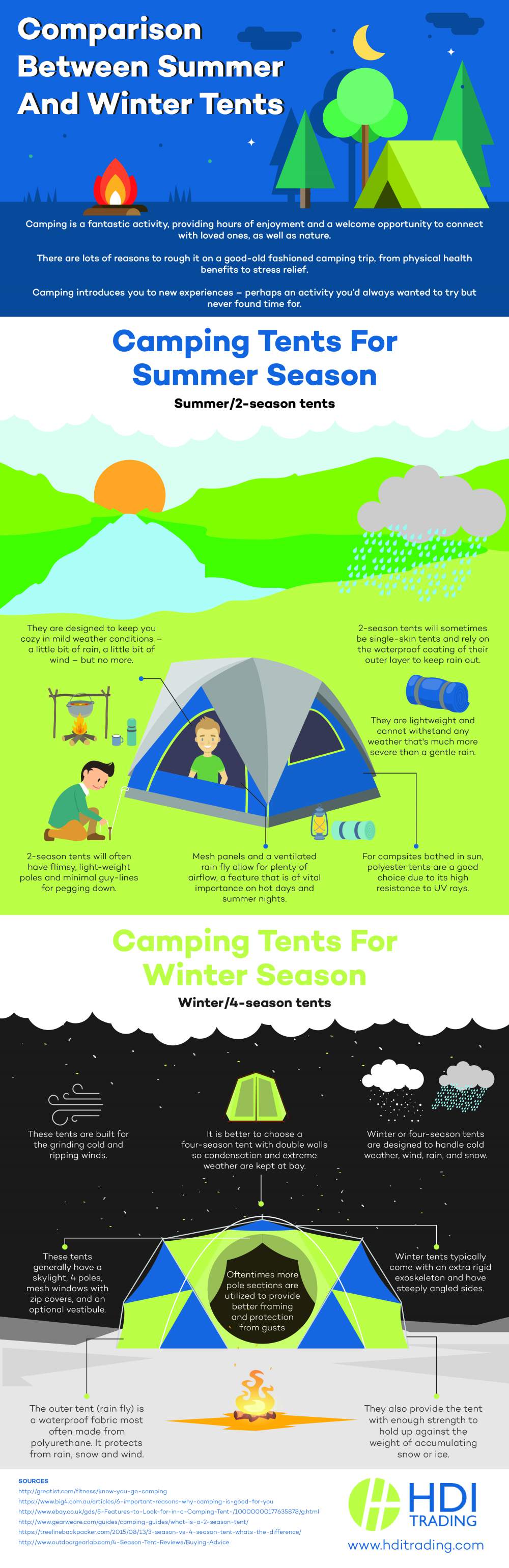
The majority of modern camping tents include a variety of loopholes on the rainfly and midway up the post seams for connecting person lines. The most crucial feature of these lines is to increase the structural security of an outdoor tents in heavy winds and snow tons, maintaining the rainfly far from the body of the tent to minimize leakage and making the most of strength.
Person lines can be secured in various methods, consisting of the traditional taut-line drawback or more sophisticated cog assemblies. Along with their apparent outdoor camping applications, these ropes are typically used in a variety of emergency and catastrophe action scenarios.
Materials
Individual lines, also referred to as' stays' or' shrouds,' have actually come to be important tools in supporting outdoors tents and tarps. Originally made use of in maritime contexts to support ship poles, they have actually since located their means into camping gear and bushcraft configurations.
They are usually made from nylon, polyester, or perhaps ultralight Dyneema. These products are favored for their strength-to-weight proportion and resistance to ecological destruction.
To anchor the individual lines, stakes or tent pegs are used. Wood, plastic, or steel risks might be used, depending on the environment and desired level of stability. Thicker secures might call for a club to drive them right into the ground. Several guys have tensioners attached that allow the user to tweak the cable's size and rigidity without retying a knot. This is specifically valuable for promptly readjusting the outdoor tents in transforming climate condition.
Design
Additionally called guy ropes, men, down people or remain, these tensioned cables support factors on a framework to the ground and neutralize side pressures. By dispersing tension, they enhance stability and maintain the shape of camping tents and other shelters.
Mummery's design surpassed the Whymper outdoor tents by increasing it up off the ground. The resulting structure appeared like the modern-day ultralight floorless sanctuaries prominent among minimal walkers.
Angling stakes at an internal angle is the most long lasting technique of attaching them. This permits the individual line to be drawn taut, responding to lateral force and maintaining the camping tent upright. This prevents drooping and the camping tent's form from promotional bag breaking down in harsh problems. The angled risk likewise minimizes resistance and lowers the chance of the rope pulling out of the hole.
Installation
The most necessary feature of guy lines is to maintain outdoors tents in gusty conditions. In camping, they anchor the rainfly away from the body of the outdoor tents and give side assistance to posts to ensure that they don't flex and collapse. In marine contexts, they help to keep the form of masts and are usually made from non-conductive products to prevent interference with radio signals.